Interrobang
punctuation mark that combines question and exclamation

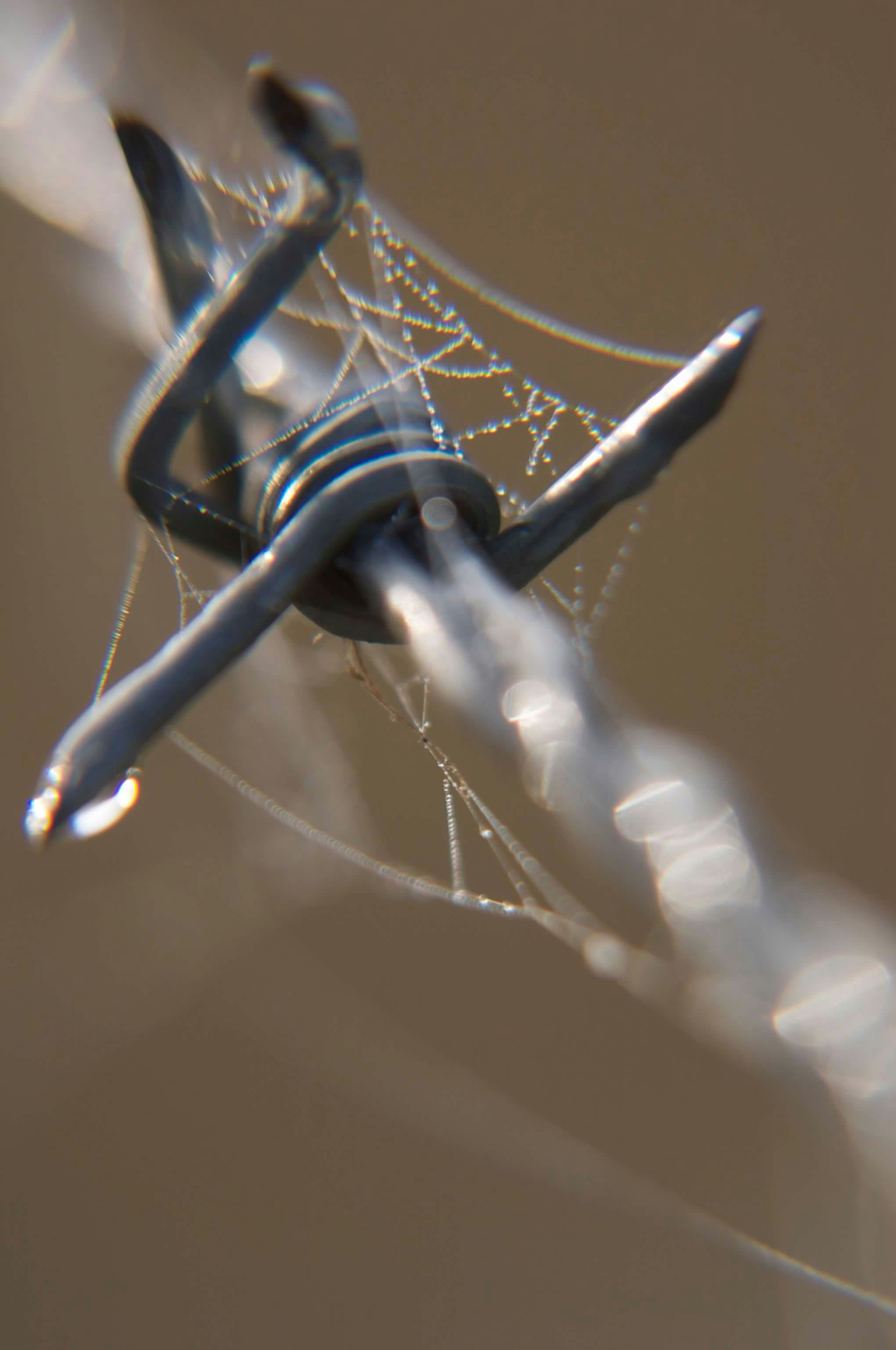
The warning became the brand, and refusal became the platform. Yet sometimes, it seems, language loses its balance.
Warnings fulfilled by the one who warned. Statements asserted that contradict years of declaration. The shift isn’t really surprising, and yet each time it happens it lands with a jolt.
We recognize the current, and have seen the rhetoric, escalations, and appetite for spectacle. Nothing arrives from nowhere. Yet still, when the decision lands, the body and the mind respond in split registers. There is: “Of course!” And simultaneously: “How?”
In 1962, a typographer fused the question mark and the exclamation point into a single glyph: the interrobang (‽). It was designed for an impossible collision, when disbelief and alarm occupy the same moment.
Today, we live inside that mark.
It is the site where recognition and disbelief co-exist. Our expectations of continuity, all of the norms we thought were gravity, are upended by events that confirm our worst fears while contradicting our basic reality.
Neither recognition nor surprise would trouble us alone. It’s the fusion that unsettles. We saw this coming yet failed to stop it; words we tolerated hardened into deeds; the tune of public life bending, until it snaps out of key.
Interrobang refuses resolution, leaving us mid-sentence.
Interrobang
(n., punctuation mark that combines question and exclamation into one (‽))
This moment punctuates itself:
astonishment nailed to doubt,
disbelief soldered to demand.
Every headline hooks there.
Every speech expands
interrobang’s gasp.
Of course this happened ‽
Is this real ‽
A nation double bent.
Not shocked, yet stunned.
Query and conclusion,
hammered into one.
Interrobang. (n., 20th c.; modern coinage; punctuation mark combining question and exclamation, ‽)
Coined in 1962 by the advertising executive Martin K. Speckter. Speckter believed English lacked a single mark for astonished inquiry. So he proposed one. The interrobang.
It was briefly adopted in some typefaces in the late 1960s and into the 70s, but never became standard punctuation.
I have a rule of thumb which says that if something is astonishing, then good or bad, it requires inquiry because the astonishing thing is out of the bounds of the ordinary and therefore is inherently improbable. There is a good chance that more inquiry will reveal that the probable is what has occurred, and that is less astonishing than initially thought. Does this comply with interrobang?
That little interrobang mark..? One symbol holding alarm and disbelief at once feels almost too accurate, I caught myself tracing it in my head…