Nictation
to blink; a flicker or shutter of consciousness

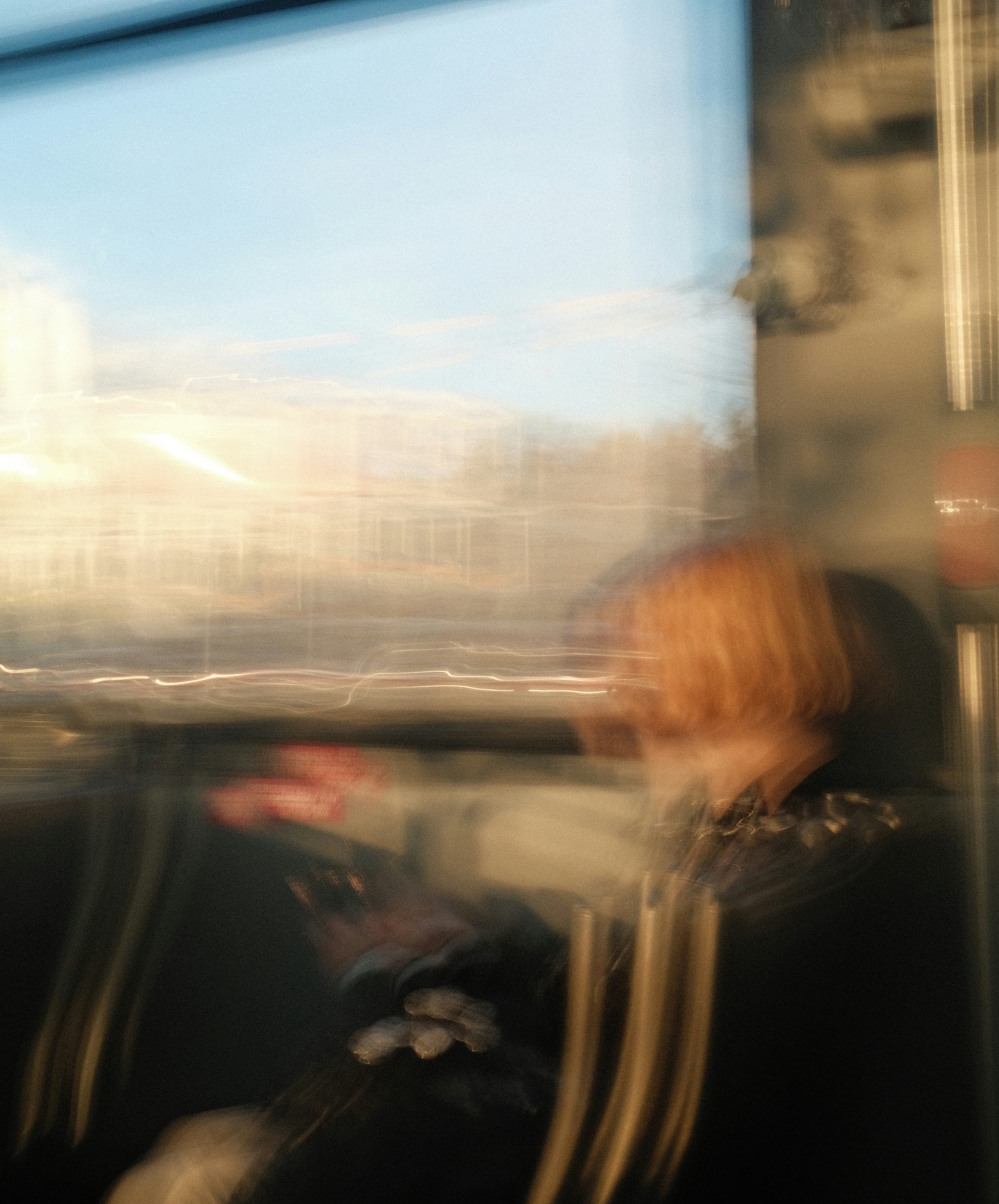
We rarely notice when perception resets. Sight feels continuous, smooth, uninterrupted. But it’s actually made of flickers—brief disappearances the mind edits out.
Every glance contains a pause, or a brief eclipse. A clearing of the lens. A tiny reset. A moment without sight. These gaps or breaks allow the mind to grasp the world anew.
Today’s word is Nictation. A term that once belonged to physiology, but that feels closer to a kind of metaphysical worldview: the way understanding arrives in flashes rather than streams. It is a technical term for a universal act we rarely consider.
It is one of those words that may have disappeared because it worked too well. Seeing is so obviously experienced as a continuous stream, why bother calling it anything else?
Nictation
(n., Latin nictare — to blink; a flicker, a shutter of consciousness)
Every truth arrives
between blinks.
The eye closes
for a breath of darkness,
opens to a world rearranged—
edges sharpened,
shadows newly articulate.
Nictation is the mind
resetting its lens,
a brief forgetting
that lets sight continue.
What was unbearable
softens into form.
Someone you misread
returns in focus.
Vision isn’t continuous.
It’s revelation, strobing.
Nictation (n., Latin nictare — “to blink; to wink”). The Romans used nictatio for the involuntary blink, the tiny shutter of vision that punctuates perception.
The word enters English in the early 1600s, almost entirely in scientific or anatomical writing, and then fades. Its lineage stretches further back: in classical Latin, nictare could mean a blink, a flicker, or even an intentional signaling. An “almost-speech” made by the eyes.
Over time the term drifted out of medicine and into the language of perception itself, as the name of the smallest unit of seeing. The instant when vision disappears so it can be renewed.
Oh man, I love these. Great article!